
Table of Contents
Let me start by saying that if you’re so fortunate as to be adored by a senior cat, you’re in for one of the most gentle, most tender stages of pet parenthood. My cat is a senior now. She has been with me through all the good and bad of my life and has seen it all. Therefore, because she is now an old cat, I think it is my turn to give back to her all those years of care. Overall, senior cats are special. They move a little slower, nap a little longer, and demand just a tad more understanding. But with the right care, they can stay happy, healthy, and full of playfulness for years to come. Here’s what I’ve learned about senior cat care along the way.
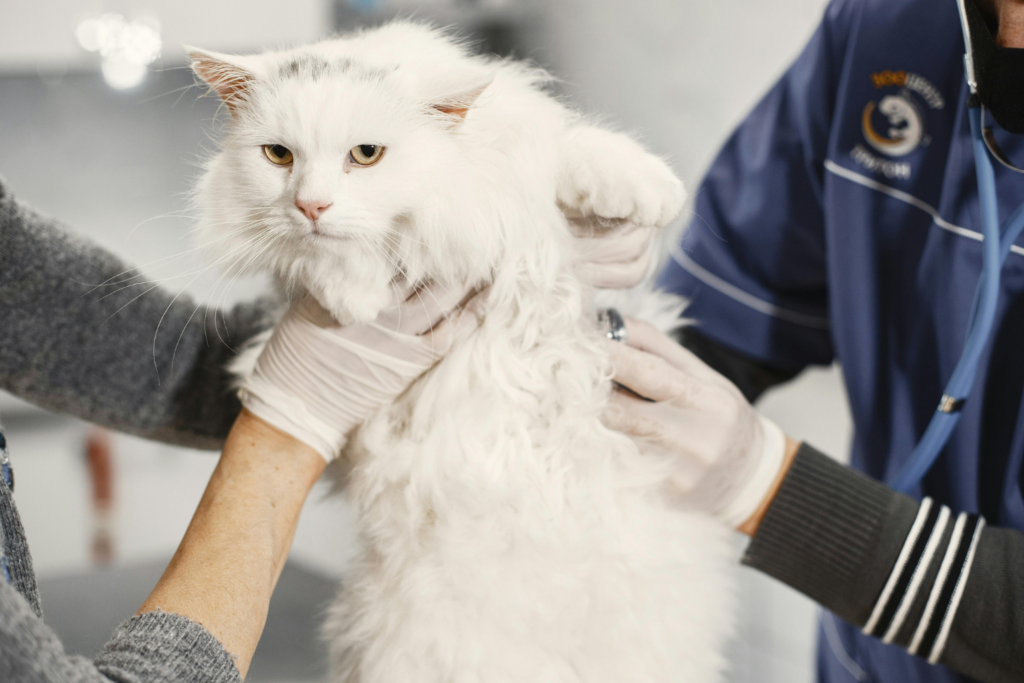
1. Regular vet visits are a must
I was always a “will-see-you-next-time” type of fellow when it came to maintaining my cats. But when my cat was past double digits, her doctor recommended bi-annual visits instead of annual ones. Older cats are more prone to issues such as kidney disease, arthritis, and hyperthyroidism. The earlier you detect these, the better you can address them. It doesn’t have to be so scary. Pretty much all our visits at this point are just blood draws, a gentle examination, and lots of treats for my cute kitty (and for me, some coffee).
2. Watch their weight (even if they’re puffballs)
Older cats may lose weight even when they’re eating well. I used to attribute my cat’s narrow waistline to her at last losing the “extra fluff” she’d accumulated from stealing my toast crusts. However, I learned that this can be a sign of thyroid issues. That being said, all was okay with my cat.
Monitor them for changes. If they’re gaining (or losing) weight rapidly, it’s time to talk to the vet. Also, don’t assume their old food is good enough—older cats need a different type that’s easier to digest and supports joints and kidneys.
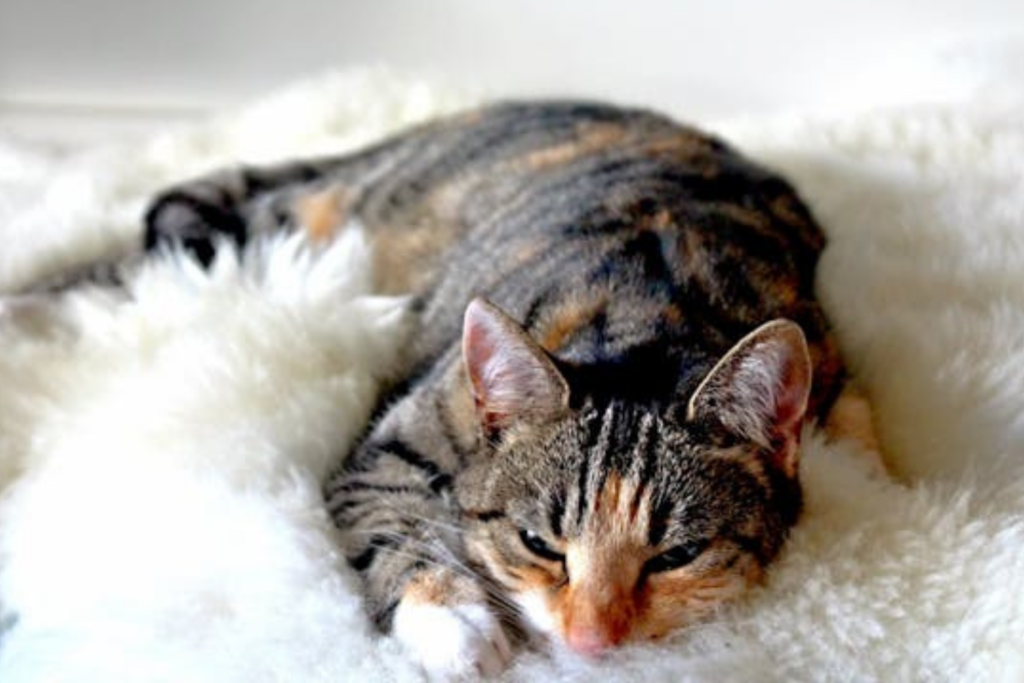
3. Streamline your cat’s lifestyle for painful joints
Senior cats also develop arthritis, even though they may not limp or complain. Low-sided litter boxes, orthopedic soft bedding, and ramps can actually make a difference in their daily comfort. It is a something of a senior home renovation.
4. Keep an eye on litter box habits
This is not the most glamorous topic, but it is a big one. My older cat started peeing out of the box. I was upset at first—until I realized that she was struggling to get over the high sides. Now we have a low-entry box in a quiet spot, and she’s the clean queen once again. If your mature cat changes their bathroom habits, it may be due to illness, disorientation, or pain. Don’t ignore it.
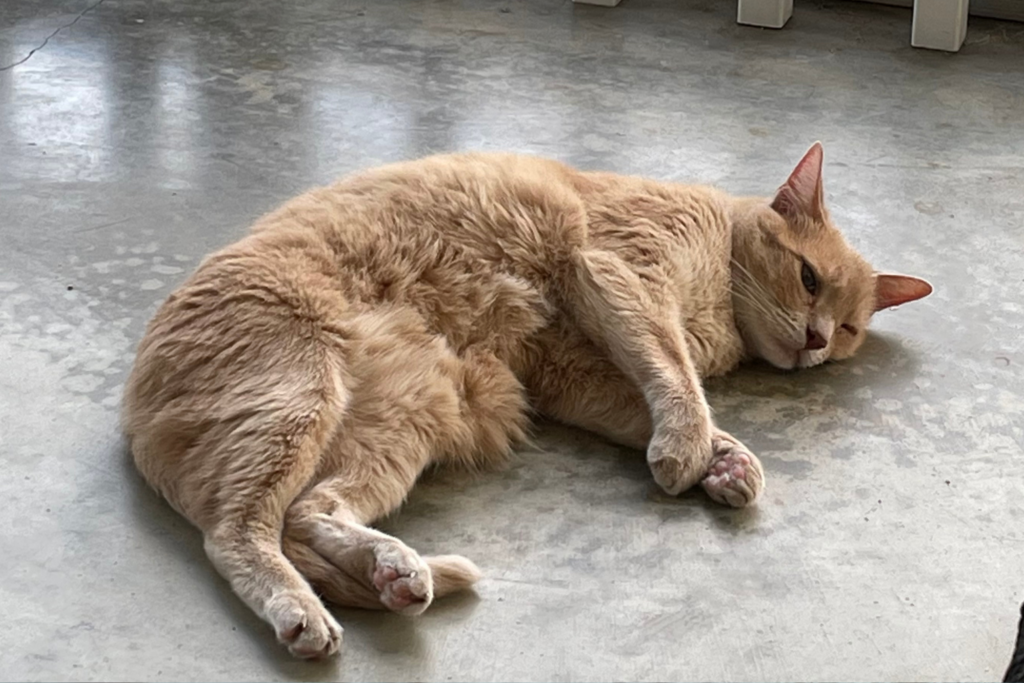
5. Assist with their grooming
Senior cats may groom less frequently, particularly if they’re stiff or arthritic. Grooming on a regular basis keeps them from matting, maintains their skin health, and provides you an opportune time to examine them for any strange lumps and bumps.
6. Change playtime, but don’t avoid it
Just because your cat is senior doesn’t mean they’re not playful. Mental stimulation and low-key exercise are just as important for older cats. A few minutes of easy play each day keeps them moving and cheerful. Bonus: Watching them get the zoomies at age 15 is priceless. They may not be fast, but they’re unstoppable.
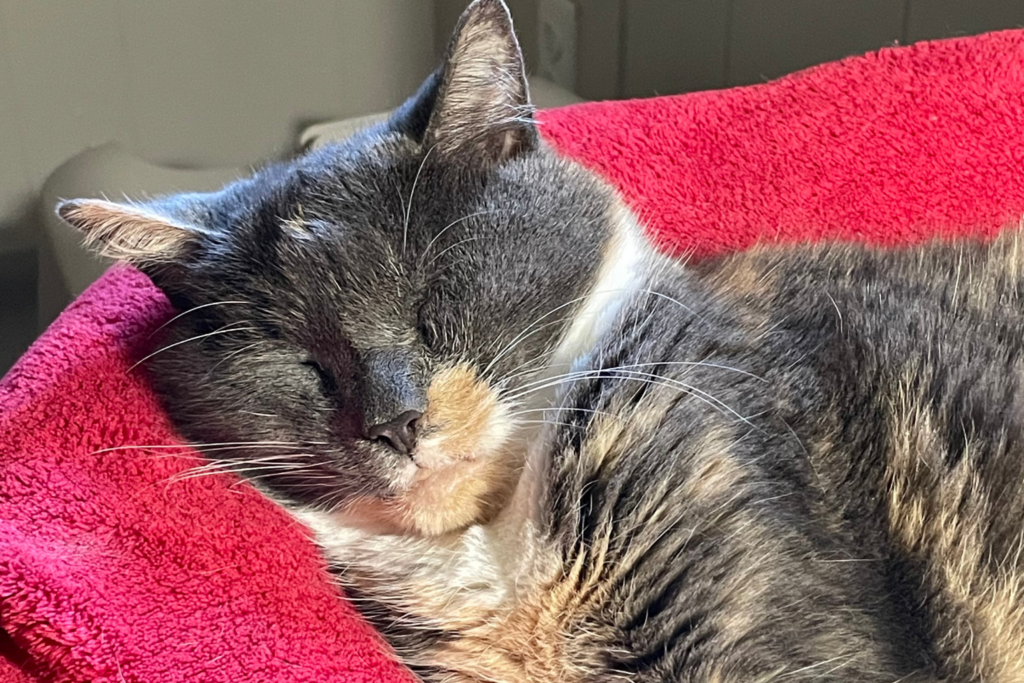
7. Comfort is Queen (or King)
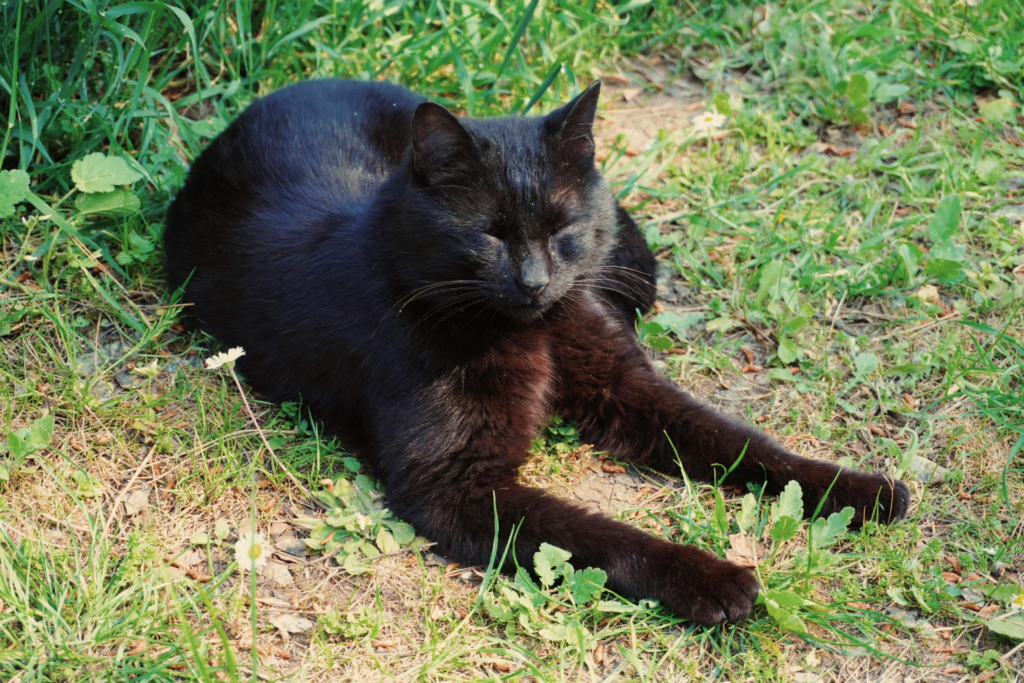
Older cats sleep quite a bit. Make sure they have plenty of cozy, warm places to sleep, especially in winter. Heated beds or self-warming mats are great. Also, watch for loud noises or changes in routine. Older cats become more sensitive to stress. Keep their world warm and routine—warm sunny spots, plush cushions, and gentle mornings.
8. Watch for Signs of Confusion or Anxiety
At other times, older cats may also develop cognitive impairments like those in human dementia. I had a cat once who meowed for five straight minutes at the wall. I thought she was just being strange, what’s new, right? But the vet said she might have had a moment of confusion
If your older cat is even more clingy, meows loudly at night, or becomes disoriented, call your vet. There are a few things that can be done, from environmental enrichment to calming supplements.
9. Keep the Love Flowing
I’ll confess—my cat has grown more demanding with age. She follows me from room to room, complains if I take too long in the shower, and insists on sleeping on my head. I used to call it “clingy.” Now, I just call it love. Older cats also need more attention and affection. So chat away with them, scratch them gently, and have them snuggle up next to you during your new Netflix marathon. These are the quiet moments that are liquid gold.
10. Appreciate the Little Things
Every purr, every slow blink, and every sleepy stretch of the paw is a gift. I’ve come to appreciate the little things that my cat’s affection brings—such as the fact that she still waits at the door when I come home, even though she takes a few moments longer getting there. Elderly cats may ask for a bit more from us, but they give it back tenfold. They remind us to slow down, enjoy the moment, and that love never gets old—only deeper.
11. Final Thoughts
Taking care of a senior cat isn’t about fixing them or reversing their age. It’s about loving them exactly as they are—graceful, napping, and wise. With a bit of extra care and a whole lot of heart, your elderly kitty can enjoy their golden years feeling secure and adore
So, if you’re lucky enough to be loving a senior cat right now, give them an extra chin scratch from me—and from my cute cat, too.
Aging may slow them down, but it will never dim the love they give.
