Table of Contents
Do you worry that your cat might be pregnant and what you are to do? First of all, take a deep breath. I’ve been there – standing in the kitchen, staring at my sweet fur ball, wondering if that round little belly is the result of too many treats or something more… exciting.
Cat pregnancy isn’t always obvious at first, especially if your kitty isn’t showing many signs yet. That’s why I created a handy cat pregnancy infographic and a week-by-week calculator to help other cat moms like you track their cat’s pregnancy from Week 1 all the way to delivery day.
In this blog, I’ll Walk you through each stage of pregnancy in a simple way – with all the changes to expect, behaviors to look out for and some personal stories along the way.

Week 1: The secret start
This is when fertilization and implantation happen. At this point, you won’t notice anything different in your cat at all. She’ll be acting like her usual self – napping in sunny windows, knocking stuff off counters or ignoring your calls like a true diva.
Fun fact? I had no idea one of my cats, was pregnant until Week 4. She played it so cool. If your cat recently had a chance encounter with a male cat and isn’t spayed – well – this might be the beginning of a very fluffy adventure.
Week 2: Tiny embryos, big changes (kind of)
In Week 2, those fertilized eggs implant in the uterus and start forming embryos. While this is a big deal biologically, you still might not see much change. Some cats (not all) might start eating a little more, or act a tiny bit nauseous—sort of like morning sickness.
If you notice her sleeping a bit more or suddenly deciding she must have tuna at 10 a.m., don’t be surprised. These subtle shifts are your first clues.
Week 3: Pink is the new clue
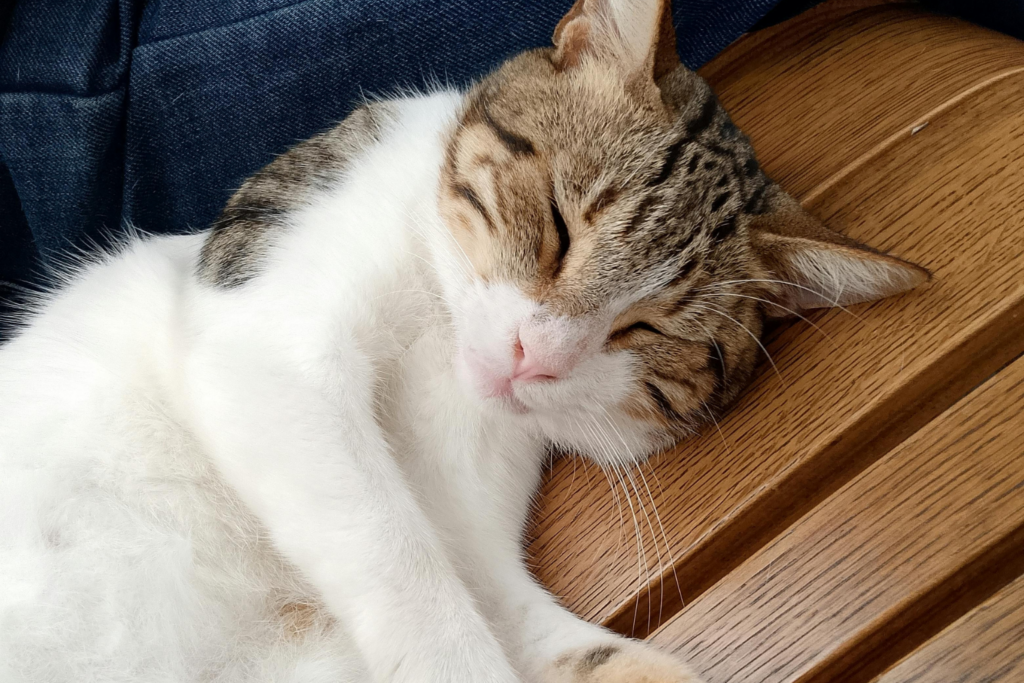
This is when pregnancy gets its first real “tell.” Around Week 3, a pregnant cat’s nipples become larger and turn pinkish. This is called “pinking up,” and for a lot of cat moms it’s the first visible sign that kittens are on the way.
I remember the moment I noticed this with my cat. I gasped, gently picked her up, and said, “Are you serious right now?” She purred like nothing was happening. Typical.
Week 4: Belly watch begins
By this week, those little fetuses are growing fast – about 0.8 inches long now. You might start to see her belly round out a little bit. A vet can usually confirm the pregnancy at this point either by touch or ultrasound.
I’d recommend scheduling that vet visit here if you haven’t already. It’s good to make sure everything looks healthy and to start preparing for the weeks ahead.
Week 5: Bigger belly, bigger appetite
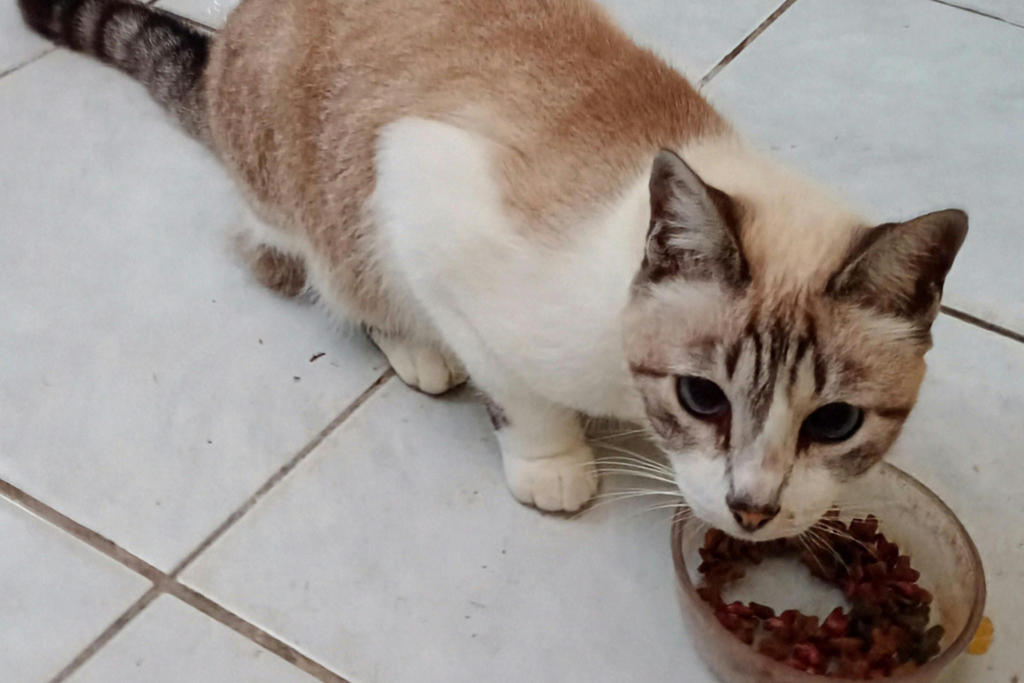
Your cat is now officially “showing.” Her belly will look rounder, and her weight will start to go up noticeably. She’s eating for several now (literally), so don’t be surprised if her appetite becomes, well, unstoppable.
One of my cats turned into a vacuum cleaner at this point. I started giving her smaller, more frequent meals, which seemed to keep her comfortable – and kept me from feeling like I was living with a furry gremlin.
Week 6: Wiggles and waddles
Week 6 is one of the most magical stages. If you gently place your hand on her belly (and she allows it), you might feel the kittens moving! Their skeletons are hardening, and they’re starting to take up some serious room.
Your cat’s mammary glands will also swell as her body prepares for nursing. She’ll probably be more tired, more cuddly, and start showing signs of nesting behavior – like hiding in laundry baskets or stealing socks to line her “den.”

Week 7: Nesting instincts kick in
At this point, your cat’s pregnant belly is hard to miss. She might start acting differently – more affectionate or more withdrawn, depending on her personality. And yes, nesting is in full swing. She’ll start looking for the perfect place to give birth.
I learned the hard way that leaving a cardboard box in a quiet corner is better than letting your cat choose the back of your closet. Trust me, find her a cozy spot now and line it with soft, washable blankets.
Week 8: Prepping for delivery
By Week 8, the countdown is on. You might notice a bit of milk leaking from her nipples. She’ll probably stay near her chosen nest and may get restless or picky about where she sleeps.
Feed her smaller meals more often. There’s not a lot of room left in that belly. And try to keep things quiet and stress-free. I like to play soft music and keep her space dim and peaceful.
Week 9: Showtime!
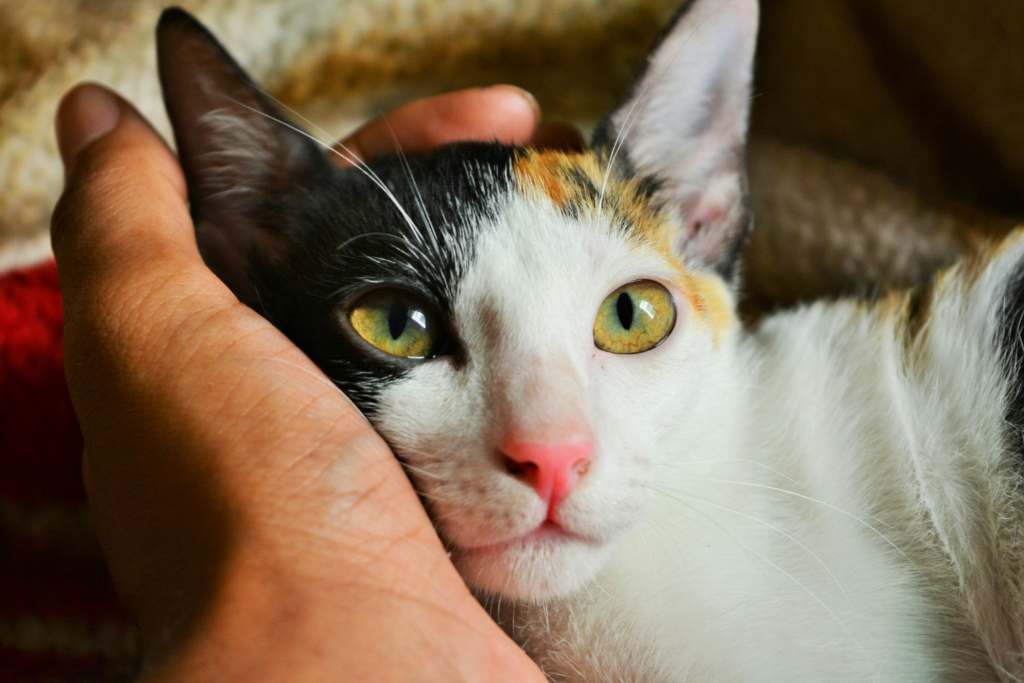
Labor is almost here. Most cats will show signs within 24–48 hours of giving birth. This includes a drop in appetite, a lower body temperature (if you’re tracking it), and visible signs of contractions.
Make sure she has a warm, quiet space to labor and birth. You don’t need to hover, but be nearby in case anything looks off. Usually, cats handle labor like pros. However, it’s smart to call your vet if she seems in distress or if labor lasts too long.
What to watch for and when to call the vet
Not every cat pregnancy goes perfectly. If you notice any of the following, don’t wait—call your vet:
- Bleeding before labor starts
- Extreme lethargy
- Refusing to eat for more than 24 hours
- Labor going on for more than 2 hours without a kitten
- Greenish or foul-smelling discharge
Better safe than sorry—especially when tiny lives are involved.

Final thoughts – from “what if” to “welcome, kittens!”
Pregnancy in cats can feel a little overwhelming at first, especially if it wasn’t planned. But trust me, once you understand the signs and what to expect each week, it becomes a really special experience. You get to watch life unfold right under your roof—and eventually, you’ll hear those tiny mews that make your heart melt.
Whether you’re tracking your cat’s progress with our cat pregnancy calculator or just watching her belly grow with wide-eyed amazement, remember: you’re not alone. Cat’s moms everywhere are right here with you, cheering you on from the other side of the internet.
And soon? You’ll have a few new tiny paws padding around your home.