
Table of Contents
Ever feel like your cat’s tail has a mind of its own? A cat uses its tail to converse without words. Cats are masters of non-verbal communication, and a cat’s tail speaks volumes about its feelings. Understanding these cues can help you get to know your cat better and help you bond with them. With this in mind, let’s crack the code to see what those mysterious tail movements mean.
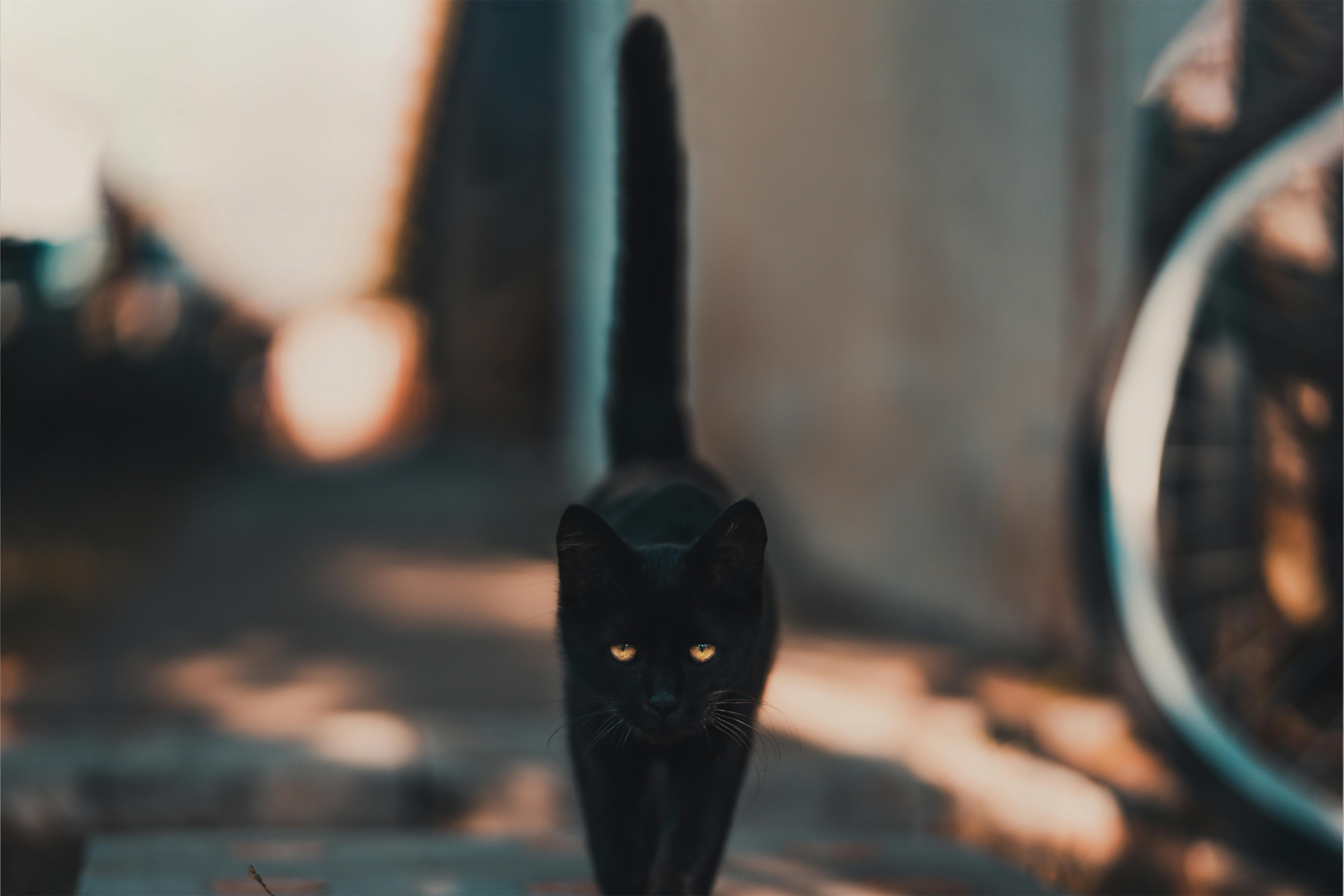
1. The Proud, Upright Tail
When your cat’s tail is upright, she/he is confident and happy. This “proud stance” will often go along with a slow walk, meaning that they feel safe and guarded. If the tip is quivering, they’re especially happy. Think of it as the hello smile. When I arrive home from work, I catch a glimpse of my cat’s tail standing straight up. She is happy to see me and greets me with the words, “Hey, you are back!” It never fails to make me happy.
2. The Vibrating Tail
A tail that’s quivering up means excitement. This is done by cats when they’re greeting their favorite human or exploring something interesting. It’s like they’re too thrilled to stand still. If not followed by spraying, then it’s simply a dance of joy.
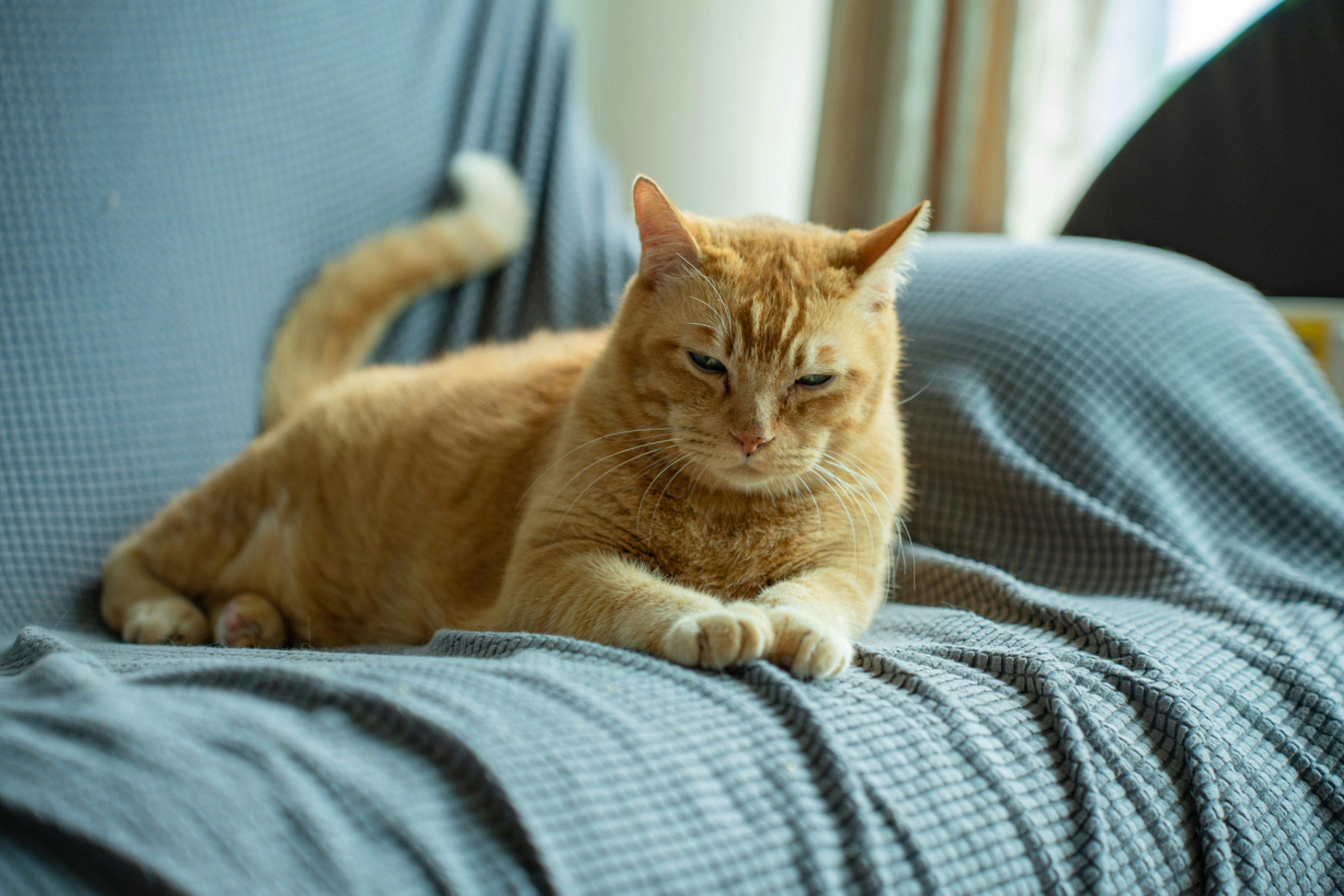
3. The Curled Question Mark
A hooked tail means playfulness or curiosity. Your cat may be in the mood for some play or is bewildered about what is happening. So, grab a toy and play with your furry friend. I have noticed the curled tail with my cat when I bring a box into the house. She approaches when I am in the process of opening the box, with her arched tail inquiring, “What’s this? Is it for me?”.
4. The Low, Straight Tail
When your cat’s tail is low and straight, it’s on guard. Something feels off, but they don’t know what comes next. This is normal in unfamiliar situations. Be calm and reassuring, they may need some love.
5. The Fluffy, Puffed-Up Tail
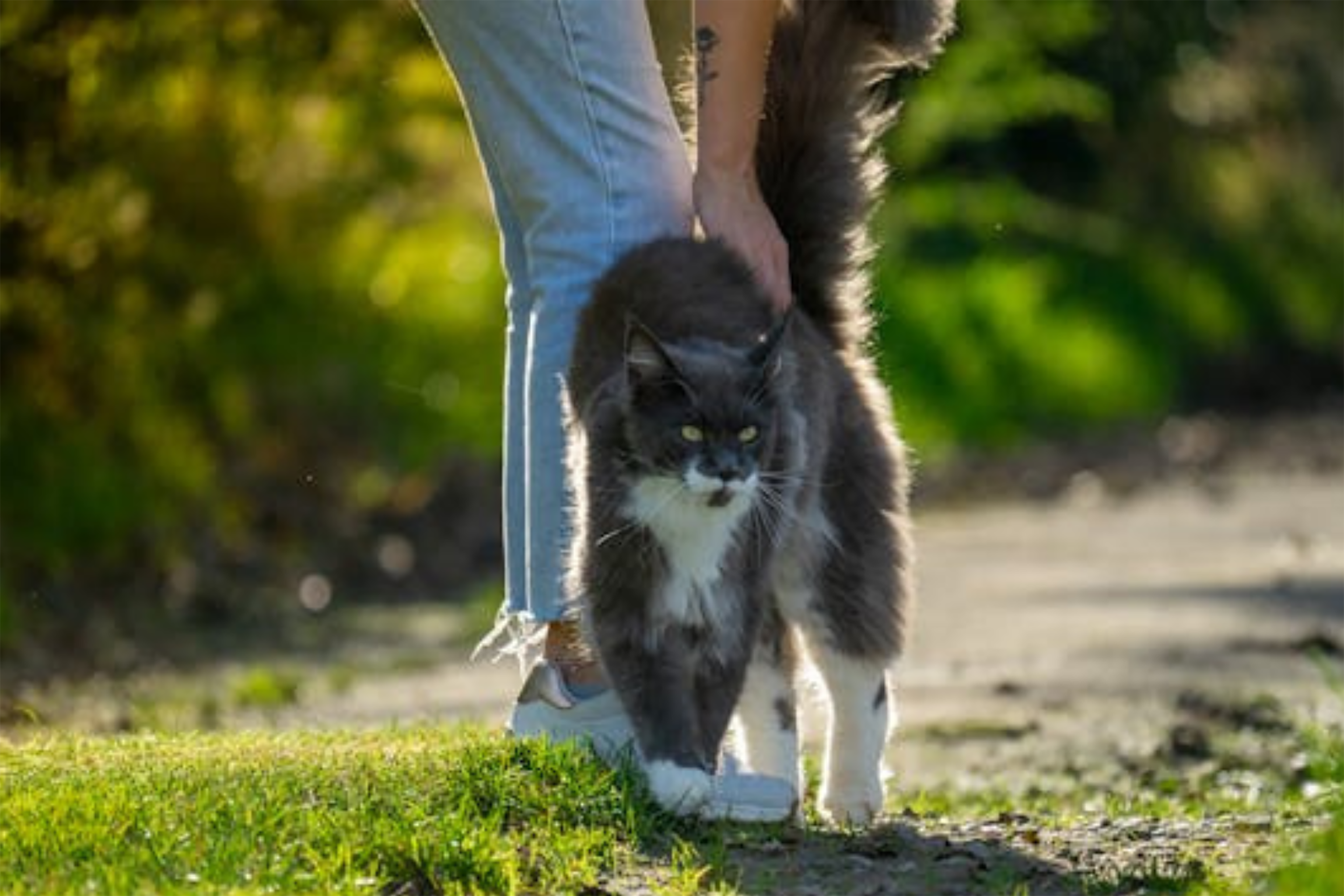
A puffed tail means your cat is afraid or agitated. It’s how they puff themselves up to appear bigger and scare away whatever is stressing them out. An arched back is an undeniable sign that they need some room to relax.
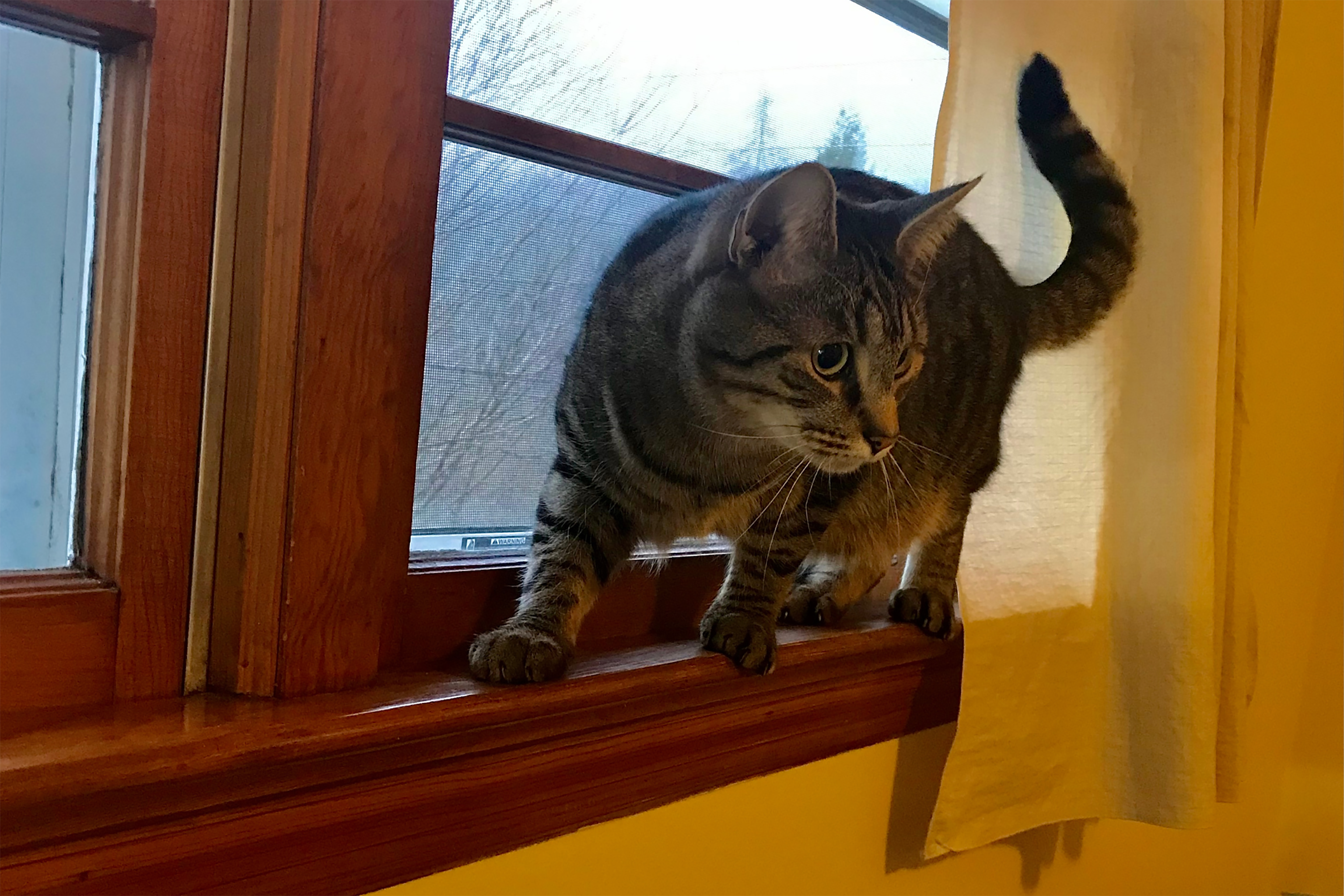
6. The Slow, Swishing Tail
A slow, steady swishing tail usually indicates that your cat is thinking or in a bad mood. If they fix their stare on something, they are probably concentrating. When the swish becomes more aggressive, they are likely to be upset. It is best just to let them be.
7. The Flicking Tail Tip
A flicking tip indicates light irritation or indecision. It’s a mild warning that they don’t know what to do about something. When the flicking becomes more rapid, they’re probably getting angry. Back off and give them some space.
8. The Tucked Tail
A tucked near the body indicates fear or submission. Your cat might be anxious or stressed. Provide reassurance, but don’t insist on attention. They’ll come over when they’re ready.
9. The Wrapped Tail
If your cat wraps their tail around you, it is showing love and trust. Your cat is giving you a hug of their own. They feel safe with you. So, enjoy the moment.
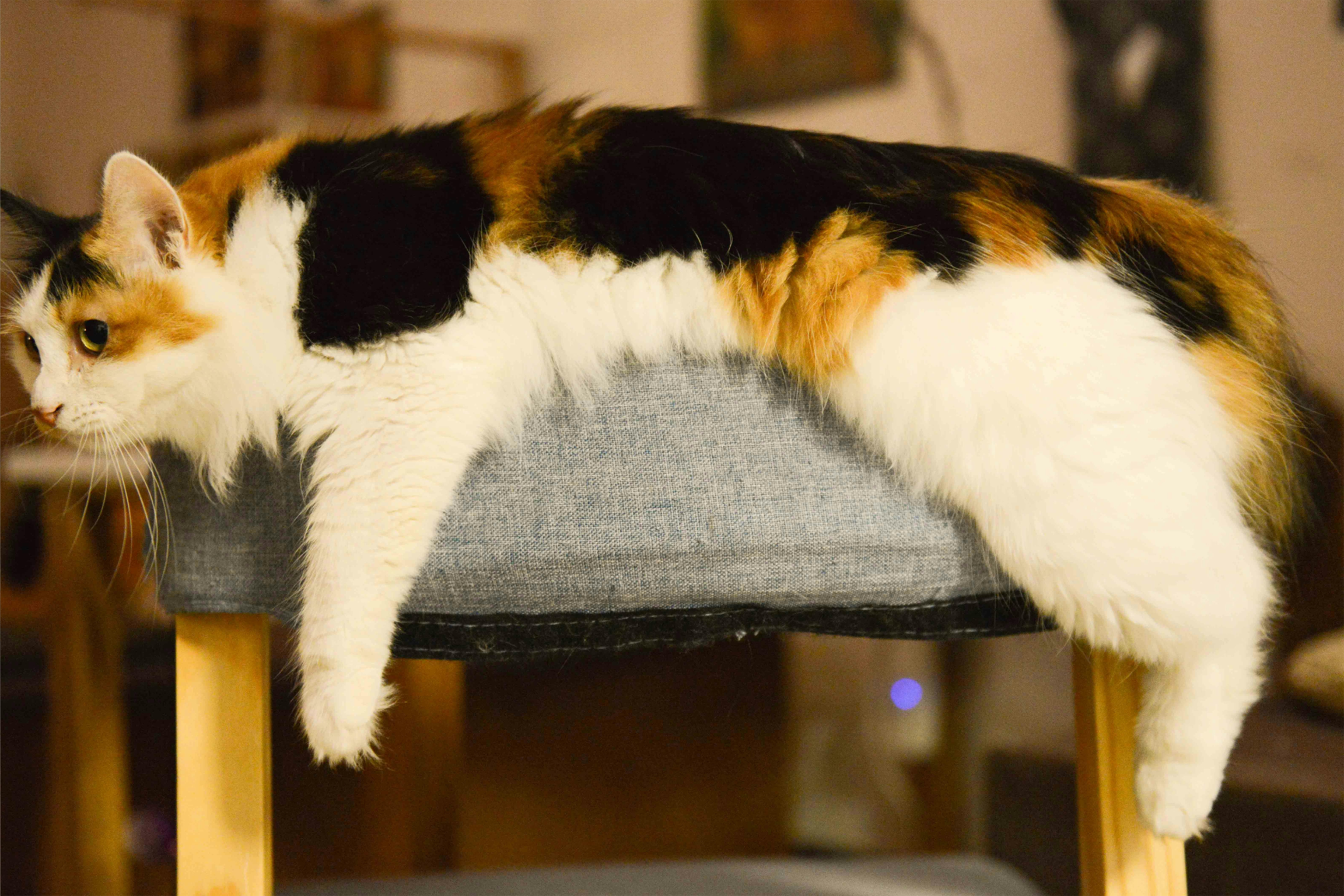
10. The Lazy Tail Dangle
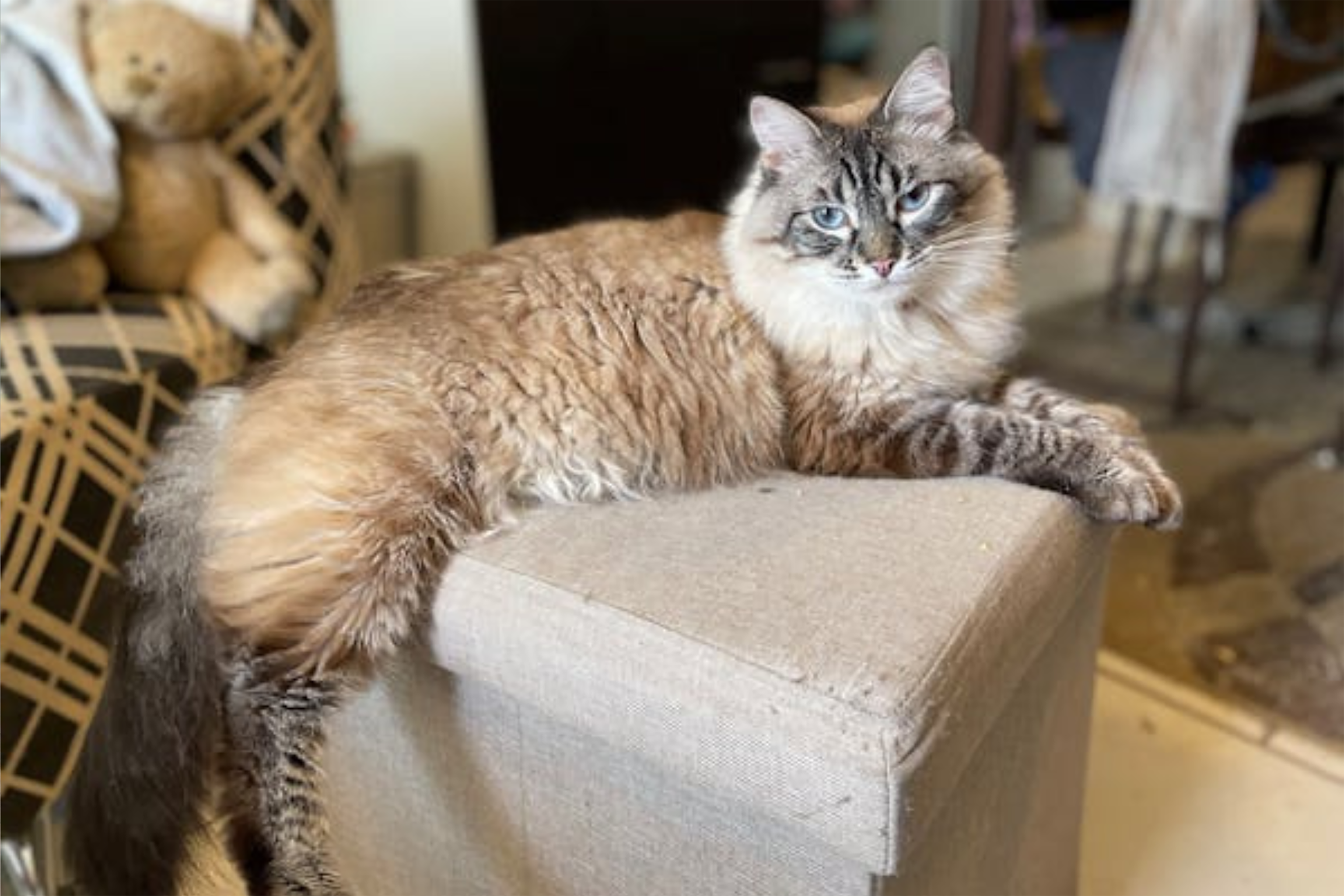
A loosely hanging tail over the edge of a chair or couch means your cat is completely relaxed. It’s a sign they’re calm, comfy, and trusting of their surroundings.
11. The Swishing, Thumping Tail
If your cat thumps their tail in big, forceful strokes, it’s likely frustrated or overstimulated. It might start softly, but if the tail thumping is becoming louder or faster, your cat is growing angry. This is a clear signal they need space. Petting them now may lead to swipes or nips. It’s better to leave them be and let them calm down.
12. The Twitchy Tail in Sleep
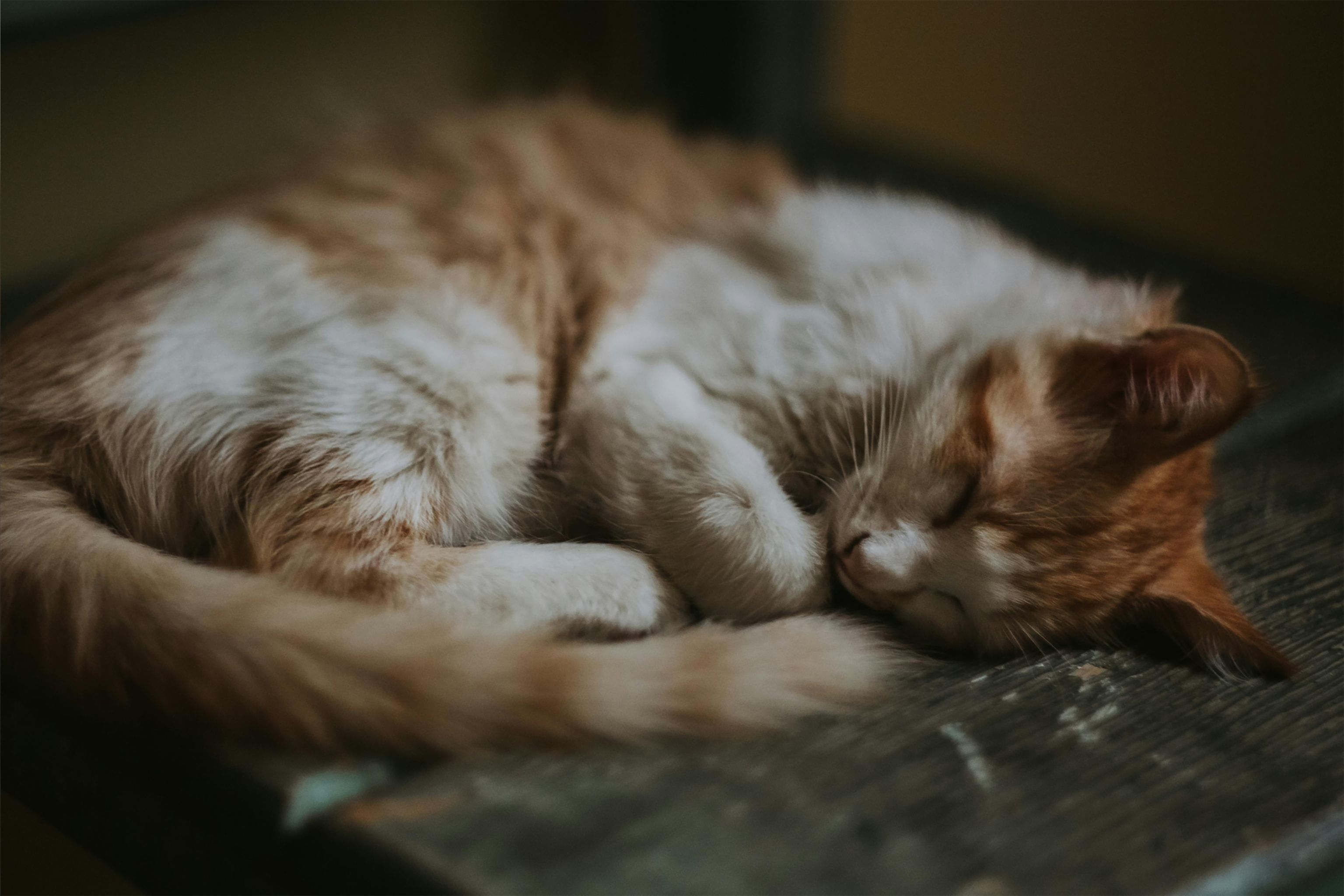
Ever notice your cat’s tail twitching while it sleeps? That typically means they’re halfway through a suspenseful dream. Just like humans, cats dream. And those little spurts with its tail could mean that they’re chasing a mouse, leaping over an imaginary toy, or sneaking across fake grass. It’s cute – and evidence that even in dreams, cats love adventure.
13. The Tail Tuck and Peek
A cat will sometimes half-tuck its tail between its legs but look out into their surroundings. This conflicting signal shows that they’re unsure. They may be fearful but curious enough to stay in the vicinity. Offer a calming presence and let them decide if they want interaction. I’ve noticed my cat doing this, watching a bird through the window with her tail slightly tucked but eyes wide with wonder. She seems to be struggling between courage and doubt.
14. The Tail Wrapped Around Objects
Cats prefer to wrap their tails around the legs of the furniture, around table corners, or even their paws. This can mean comfort or possession. Wrapping their tail around things, they’re taking over familiar spots where they feel comfortable and safe. My cat will frequently wrap her tail around the leg of my coffee table when she’s just hanging out nearby. It’s as if she’s claiming it, “This spot’s mine.”
Reading Tail Movements with Body Language
Cats have their entire body to communicate. Couple their tail language with these indicators for a better vision:
- Ears pinned back + flicking tail: Annoyed or frustrated.
- Ears forward + upright tail: Affectionate and self-assured.
- Wide eyes + puffed-up tail: Afraid or frightened.
What to Do When Your Cat’s Tail Talks
If your cat’s tail indicates its content, then play or cuddle with it. When it appears frustrated, leave it alone. Noticing these clues makes you able to react positively and makes both your lives a lot simpler.
Final Thoughts
Your cat’s tail is a window to their psyche. With an eye on what it does, you’ll know how they feel and be able to respond in ways that reassure them and make them feel loved. Whether they’re delighted to see you or scheming trouble (most likely both), the tail will never lie. And if you learn to read all these clues, you’re on your way to being the cat whisperer you’ve always dreamed of being.
